
How to Identify Pure Kashmiri Kesar: Quick Answer
Here is how to identify pure Kashmiri kesar in under a minute. Drop one thread of kesar in a glass of warm water. Real kesar slowly releases a golden-yellow colour over 15–60 minutes, and the thread stays red. Fake or dyed saffron turns the water red within seconds, and the thread goes pale.
- Then confirm with the smell, taste and shape checks
- A very low price is the easiest red flag
Some links on this page are Amazon affiliate links. If you buy through them, I may earn a small commission at no extra cost to you.
Why fake kesar is common
Kesar is one of the costliest spices, so cheats like to copy it. Fake saffron still adds colour, so many people never notice. That is why knowing how to identify pure Kashmiri kesar matters.
- Corn silk or safflower petals
- Dyed grass or paper threads
- Real saffron mixed with dyed yellow style
- Threads coated in oil or sugar to add weight
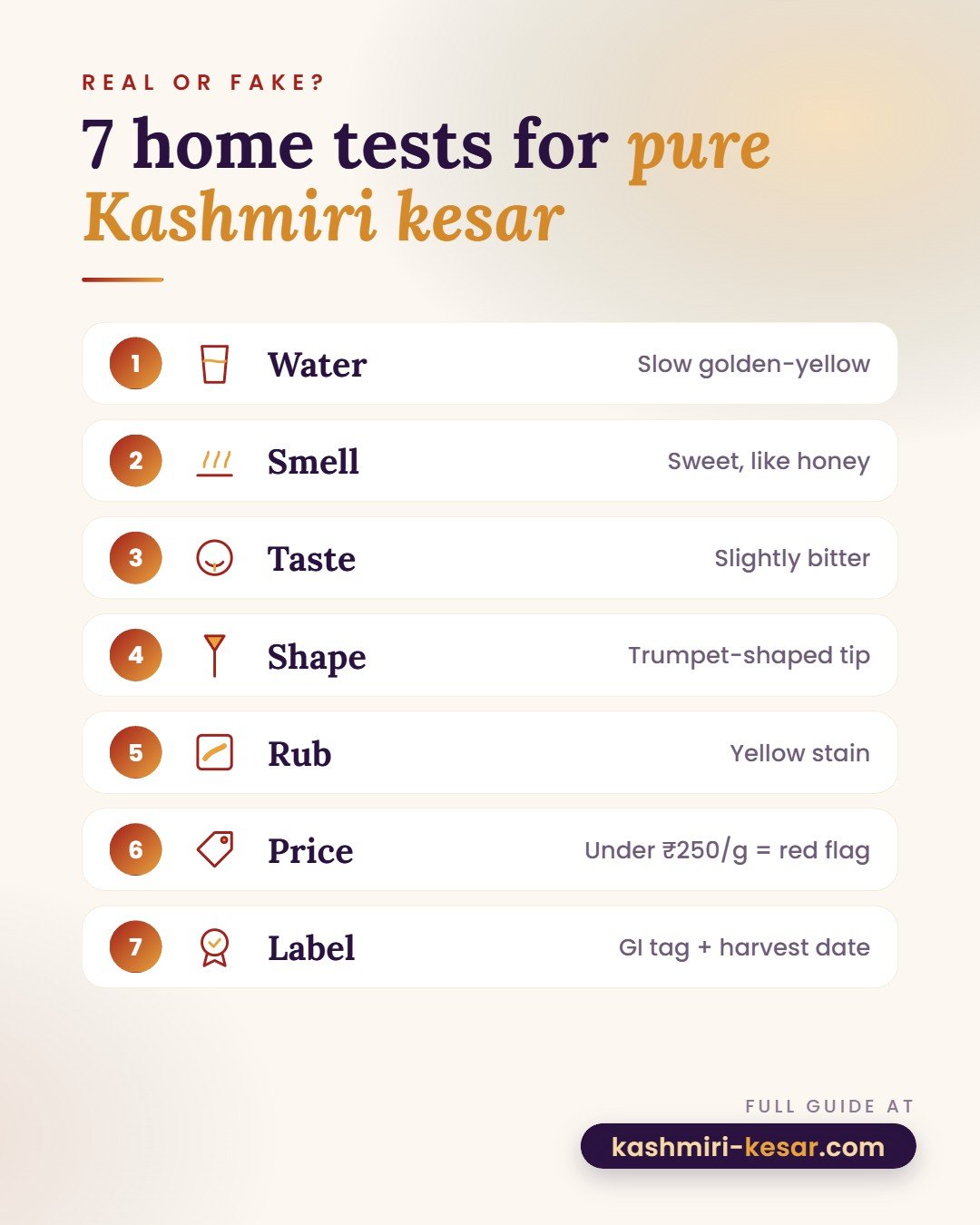
1. Water test (most reliable at home)
Put 2–3 threads in warm (not boiling) water and wait.
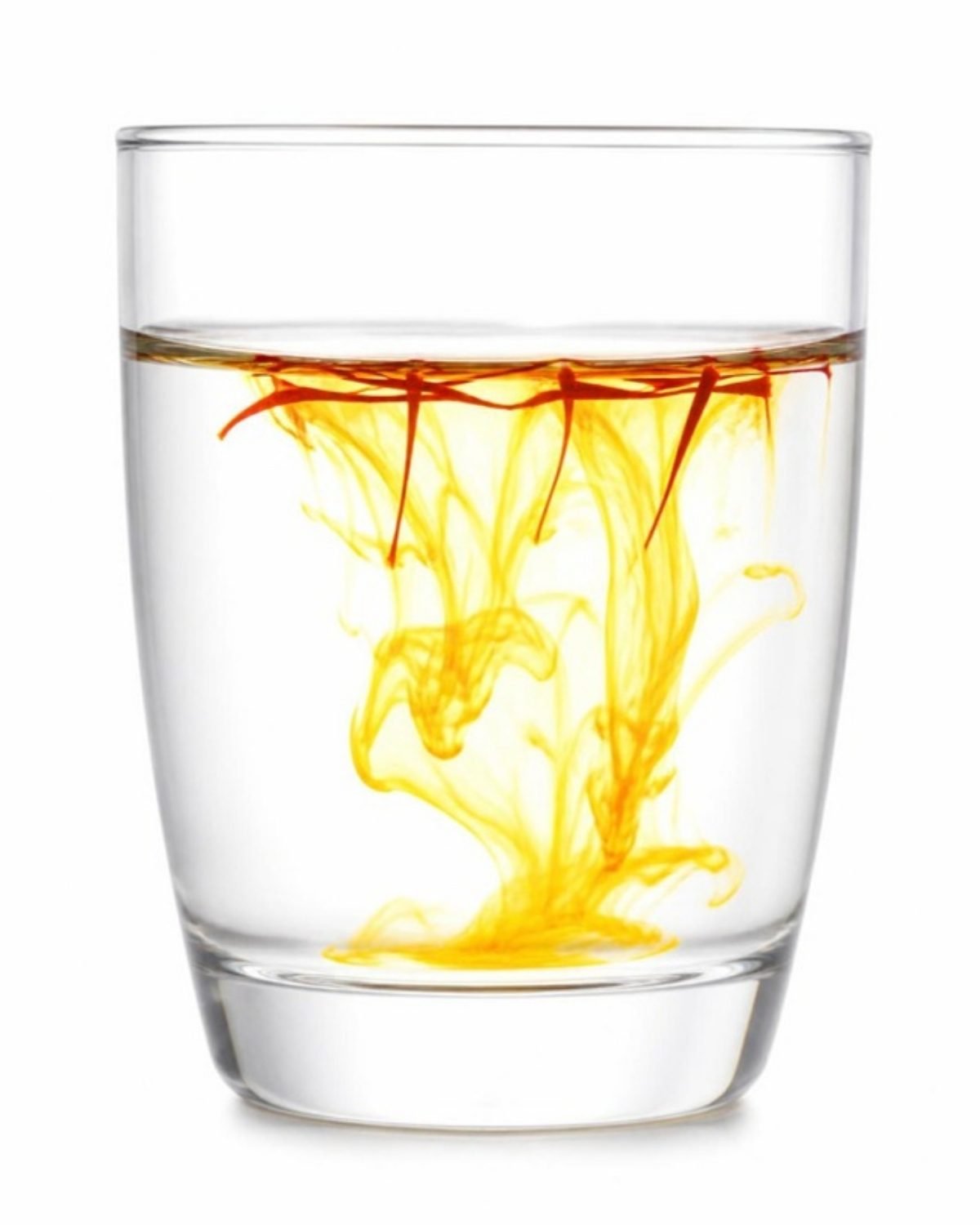
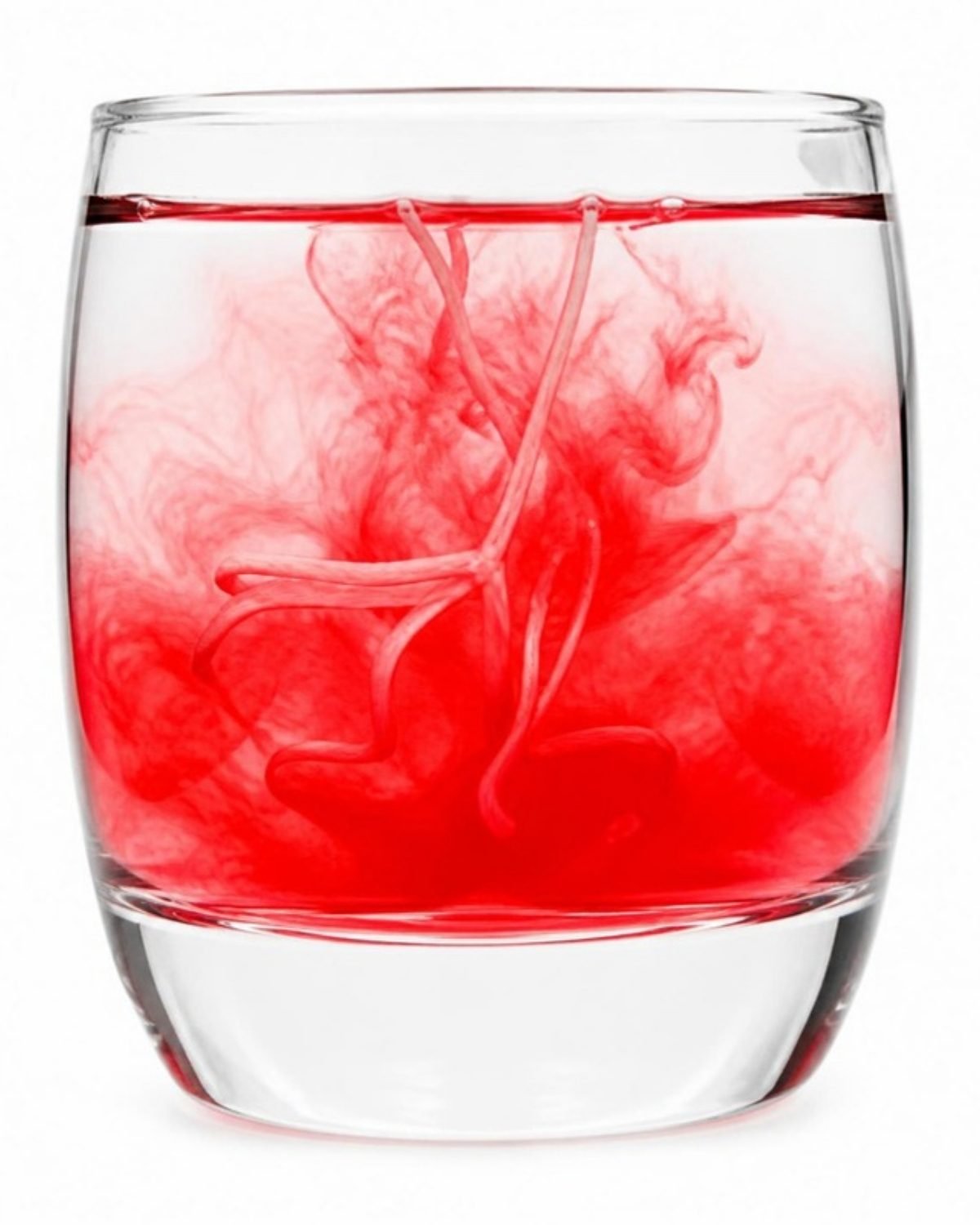
- Real: golden-yellow trail spreads slowly. Threads stay red and whole
- Fake: red or orange floods the water almost at once. Threads turn pale or break
I did this test on my last pack from Kashmir: the water turned golden slowly and the strands stayed red. That was enough for me.
2. Smell and taste test
Real kesar smells sweet, like honey and hay, but tastes slightly bitter on the tongue.
- Tastes sweet? Possibly sugar-coated
- Smells chemical or of nothing? Be suspicious
3. Shape test
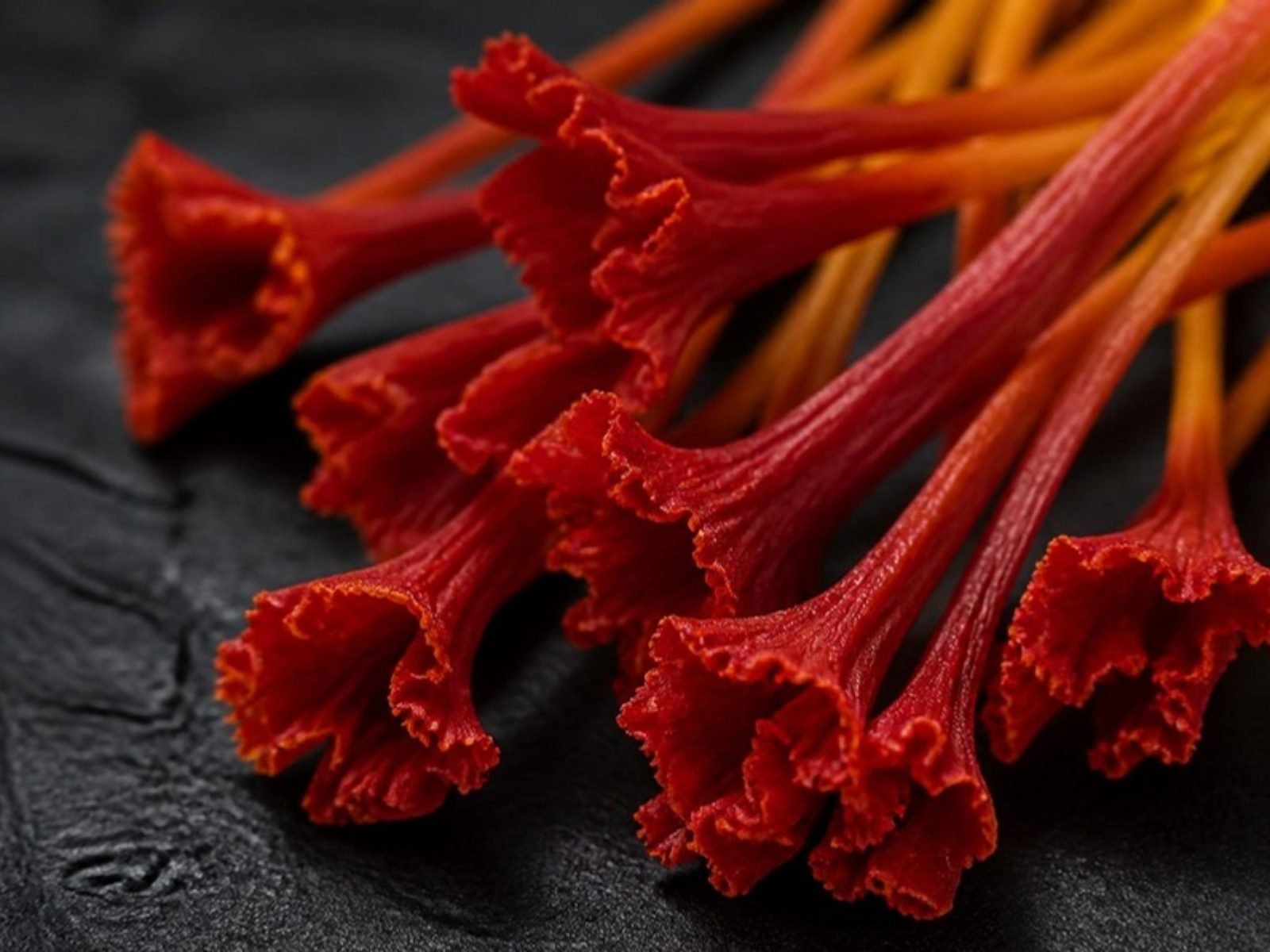
Use your phone camera zoom. A real thread is thin at one end and flared like a small trumpet at the other.
- Fakes look uniform, straight and flat all along
4. Rub test
Wet a thread and rub it on white paper.
- Real: yellow-orange stain
- Fake: strong red or pink stain, usually dye
5. Feel test
Good kesar is dry and slightly brittle.
- Oily, sticky or damp threads may be coated to add weight, and you pay for that weight
6. Price test
Real Kashmiri kesar is costly. Under about ₹250 per gram for “Kashmiri” is a red flag. Current ranges: saffron price per gram.
7. Label test
A genuine pack names origin, grade and harvest date. The full label checklist is in my buying guide.
- Grades explained: Kashmiri saffron grades
Real vs fake at a glance
| Check | Real kesar | Fake / dyed |
|---|---|---|
| In water | Slow golden-yellow, thread stays red | Instant red, thread turns pale |
| Taste | Slightly bitter | Sweet, bland or chemical |
| Smell | Honey, hay, floral | Little or none |
| Shape | Flared trumpet tip | Uniform, straight |
| Rub on paper | Yellow-orange | Red or pink |
| Feel | Dry, brittle | Oily, sticky |
When a lab test is better
Home tests catch most obvious fakes, but they cannot measure exact quality.
- Labs test saffron against ISO 3632 (colour, bitterness, aroma)
- Buying in bulk or for business? Ask the seller for a recent lab report
Where to buy real kesar
Buy from brands that state origin, grade and harvest date. I compare popular packs in best saffron brands in India.
How to Identify Pure Kashmiri Kesar: FAQs
Asli kesar ki pehchan kaise karein?
Ek thread garam paani mein daalein. Asli kesar dheere-dheere sunehra peela rang chhodta hai aur thread laal rehta hai. Nakli kesar turant laal rang chhodta hai.
How can I check if kesar is original at home?
Drop a few threads in warm water. Original kesar turns the water golden-yellow slowly, and the threads stay red.
What colour does real saffron give in water?
Golden-yellow, released slowly. Instant red or orange usually means dye.
Does real saffron taste sweet?
No. It smells sweet but tastes slightly bitter.
What is fake saffron made of?
Corn silk, safflower, dyed grass or paper, or real saffron mixed with dyed yellow style or coated with oil and sugar.
Is GI-tagged saffron always real?
The GI tag is a strong sign of genuine origin. Still check the seller and harvest date, and do a quick water test.
Sources: Tasting Table (real vs fake saffron), Gulf News (fake saffron made from corn silk).